San Tan Valley, AZ · Pinal County
Emergency Damage Restoration in San Tan Valley, AZEmergency Water Removal & Flood Damage Cleanup
Emergency Damage Restoration in San Tan Valley runs from emergency water extraction and storm damage repair to structural drying services.
Answered 24/7
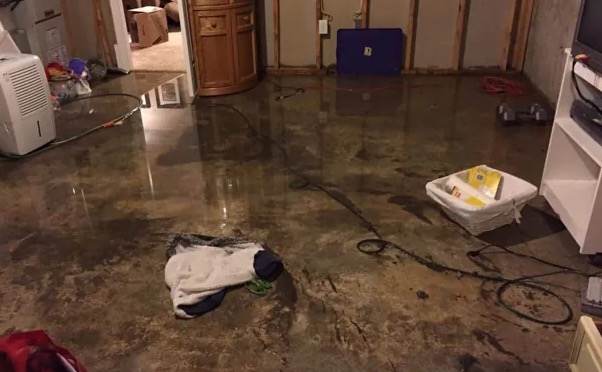
Local Emergency Damage Restoration Solutions in San Tan Valley
A fire in San Tan Valley leaves water damage behind as well. Firefighters may use a lot of water, and it soaks ceilings, walls and floors well beyond the burned area.
A storm in San Tan Valley can damage many buildings at once. Local flood restoration professionals serve San Tan Valley and nearby Queen Creek, Florence and Apache Junction, with help available around the clock.
Comprehensive Emergency Damage Restoration Services for San Tan Valley
Emergency Water Removal
Help is available any hour, because water damage gets worse every hour it is left in place.
Flood Damage Cleanup
Floodwater from outside is pumped out, mud and debris are cleared and soaked porous materials are removed before drying begins.
Storm Damage Repair
Storm damage is photographed before and during cleanup, which helps with the insurance claim and repair planning.
Emergency Water Extraction
Emergency extraction focuses on the rooms where water is deepest and the areas where it threatens to reach the floor below.
Structural Drying Services
Structural drying targets the materials water soaked into, using directed airflow into wall cavities and under flooring.
Warning Signs You Need Emergency Damage Restoration
Visible Water Pooling or Dripping
Water pooling on floors or dripping from ceilings means an active leak that needs attention right now.
Gaps or Damage After a Storm
Missing shingles, broken windows or other storm damage can let rain into the building during the next storm.
Discolored or Sagging Ceilings
A ceiling that is stained, bulging or sagging is holding water and may fall. Keep people clear.
Peeling Paint or Blistering Wallpaper
Paint that peels or wallpaper that blisters usually has water behind it.
How Emergency Damage Restoration Works in San Tan Valley
Step 1: Emergency Contact and Assessment
You call any hour, and the source, type of water and safety hazards are checked on the first visit.
Step 2: Water Extraction and Removal
Pumps and extractors remove standing water, starting where it is deepest or most damaging.
Step 3: Drying and Dehumidification
Air movers and dehumidifiers dry walls, floors and framing, with readings taken every day.
Step 4: Cleaning and Sanitizing
Surfaces touched by dirty water are cleaned and disinfected once the water is out.
What Causes Major Property Damage in San Tan Valley
Appliance Malfunctions and Overflows
Washers, water heaters and dishwashers fail without warning and flood nearby rooms.
HVAC System Condensate Issues
Clogged AC condensate drains overflow into closets, attics and the ceilings of the rooms below.
Roof Leaks From Storm Damage
Storm-damaged roofs let rain pour into attics, ceilings and the rooms below.
Chronic Moisture and Condensation
Ongoing condensation and humidity slowly damage walls, ceilings and framing over time.
Residential and Commercial Emergency Damage Restoration in San Tan Valley
Residential Emergency Damage Restoration
Homeowners dealing with storm damage may need a tarp over the roof or broken windows while the inside is extracted and dried.
Commercial Emergency Damage Restoration
Restaurants, medical offices and schools need contaminated water cleaned up to the health rules for those spaces before reopening.
Handling Damage: DIY vs. Calling Local Pros in San Tan Valley
Do not stand under a sagging ceiling or use lights in a room where water is coming through fixtures. Leave the room and call (623) 624-8391.
Understanding Emergency Damage Restoration Costs in San Tan Valley
Repairs to drywall, flooring and roofs are separate from emergency cleanup. In San Tan Valley, they follow once the structure is dry.
Access Complexity
Multi-story buildings, crawl spaces and attics take more time to reach and work in.
Duration of Work
Drying often takes several days, and night or holiday calls can cost more than scheduled visits.
Water Category
Clean water costs less to handle than sewage or floodwater, which needs disinfection and more removal.
Does Insurance Cover Emergency Damage Restoration?
Coverage for emergency damage restoration depends on the cause and your policy. The pros document the damage and drying, and your insurer decides what is covered.
Benefits of Local Pros for Emergency Damage Restoration in San Tan Valley
Drying Equipment
Air movers and dehumidifiers are placed from readings and adjusted every day.
Step by Step
Work follows a set order: stop the water, extract, remove what cannot be saved, dry and confirm.
Damage Assessment
The whole affected area is checked, including rooms next to and below the source.
Always-Available Emergency Damage Restoration for San Tan Valley
Water emergency in San Tan Valley? Shut off the source, turn off power to wet areas if safe and call (623) 624-8391. Help is available 24/7.
Call Now (623) 624-8391Emergency Damage Restoration Available Throughout the San Tan Valley Region
Other places served are listed below, each with its own page.
- Emergency Damage Restoration in Florence
- Emergency Damage Restoration in Ocotillo
- Emergency Damage Restoration in New River
- Emergency Damage Restoration in Anthem
- Emergency Damage Restoration in Goodyear
- Emergency Damage Restoration in Maricopa
- Emergency Damage Restoration in Surprise
- Emergency Damage Restoration in El Mirage
FAQ for Emergency Damage Restoration in San Tan Valley
How is hidden moisture found during an inspection?
Moisture meters and thermal cameras show water inside walls, under floors and above ceilings.
What happens to water damage after a fire?
Firefighting water is extracted, soaked materials are removed and the rooms around the fire are dried.
Why is quick action so important for water damage?
Materials soak up more water every hour, and mold becomes more likely after a day or two.
How does Emergency Damage Restoration usually start?
With a call, a safety check, stopping the water source and extracting standing water as soon as possible.
What happens during the structural drying phase?
Air movers and dehumidifiers run continuously, and readings are taken daily until materials are dry.