Downtown Phoenix, AZ · Maricopa County
Attic Water Damage Restoration in Downtown Phoenix, AZAttic Moisture Inspection & Roof Leak Water Removal
Attic Water Damage Restoration in Downtown Phoenix runs from roof leak water removal and attic leak water cleanup to attic drying services.
Answered 24/7
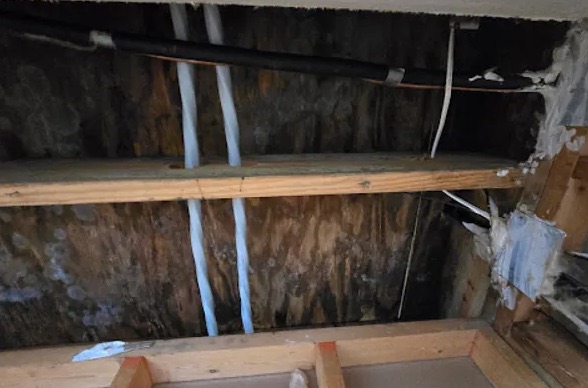
Local Attic Water Damage Restoration for Downtown Phoenix Homes
Most attic water damage starts at the roof, but it ends up on the ceiling. In Downtown Phoenix, a leak around flashing, a vent or damaged shingles can soak insulation and decking for weeks before a stain shows up in the room below.
In Downtown Phoenix, attic water damage often shows up as a ceiling stain after heavy rain. Local attic water damage pros serve Downtown Phoenix, West Phoenix, South Mountain and Biltmore Area, finding the leak point and drying the wood, insulation and drywall.
Detailed Attic Water Damage Restoration Solutions
Attic Moisture Inspection
An inspection shows how far the water spread from the leak point, which decides what is dried in place and what is removed.
Roof Leak Water Removal
Rain that came through damaged shingles, flashing or vents is removed from the attic, and the leak location is marked for the roofer.
Wet Attic Insulation Removal
Wet fiberglass batts lose their insulating value and hold water against the ceiling. Soaked sections are bagged and removed so the area underneath can dry.
Attic Mold Prevention
Drying wet wood quickly is the main way to limit microbial growth in an attic. Decking and rafters that stayed damp can be treated once dry.
Attic Drying Services
Air movers and dehumidifiers dry rafters, joists and roof decking. Attic heat speeds drying in summer, while cooler months need more dehumidification.
Signs of Attic Water Damage in Downtown Phoenix Homes
Sagging or Bowed Roof Decking
Roof decking that sags or bows between rafters may be soaked or starting to rot.
Dripping Sounds From Ceiling
Dripping or tapping sounds above the ceiling, especially during rain, mean water is getting in.
Wet or Sagging Insulation
Insulation that looks matted, dark or compressed, or sags between joists, has absorbed water.
Peeling Paint or Wallpaper
Paint that bubbles or peels on upstairs ceilings and walls often has water behind it.
How Attic Water Damage Restoration Works in Downtown Phoenix
Step 1: Emergency Attic Water Extraction
Active drips are caught, pooled water is removed from decking and drywall tops, and power to wet fixtures is checked.
Step 2: Attic Moisture Inspection and Mapping
Meters and thermal cameras map wet insulation, wood and ceiling drywall from the leak point outward.
Step 3: Structural Drying and Dehumidification
Air movers and dehumidifiers dry rafters, joists and decking, with equipment set on safe footing.
Step 4: Final Verification and Documentation
Readings confirm the attic and ceiling are dry, and photos and logs are provided for insurance.
Typical Sources of Attic Moisture Issues
Clogged or Damaged Gutters
Clogged gutters overflow at the roof edge, pushing water under shingles and into the soffits.
Overflow From Bathroom Exhaust Fans
Bathroom fans that vent into the attic, or have disconnected ducts, release moisture onto the decking.
Condensation From Poor Ventilation
Warm, moist air from the house condenses on cold roof decking when the attic is poorly vented.
Roof Leaks and Damaged Shingles
Missing, cracked or lifted shingles let rain reach the roof deck and drip into the attic.
Residential and Commercial Attic Water Damage Restoration in Downtown Phoenix
Residential Attic Water Damage Restoration
For townhomes and condos, an attic leak can cross into a neighbor's space. Fast drying and clear records help sort out repairs with the association.
Commercial Attic Water Damage Restoration
Property managers get photos and readings for each affected unit or suite, which simplifies insurance claims and roof repair planning.
Why DIY Attic Water Damage Restoration Often Fails in Downtown Phoenix
Never step between attic joists, since the ceiling drywall will not hold your weight. If water is pooling up there, call (623) 624-8391 instead of trying to reach it yourself.
Cost Considerations for Attic Water Damage Restoration Work
In Downtown Phoenix, insulation removal and ceiling repair often make up a large share of the bill, along with drying equipment days in the attic.
Affected Attic Materials
Wet insulation, decking and ceiling drywall that must be removed add labor and disposal costs.
Mold Prevention Measures
Antimicrobial treatment of decking and rafters that stayed wet is an added cost.
Required Drying Time
Dense wood framing can take several days to dry, adding equipment time.
Does Insurance Cover Attic Water Damage Restoration?
Ceiling damage below an attic leak is usually handled as part of the same claim. Make sure the adjuster sees both the attic and the room below.
Advantages of Hiring Local Pros for Attic Water Damage Restoration
Structural Drying Expertise
Drying equipment is placed for attic framing and decking, where moisture is hardest to remove.
Detailed Documentation
Photos, readings and drying logs are kept to support your insurance claim.
Wet Insulation Handling
Wet insulation is bagged and removed carefully, keeping debris out of the living space.
Round-the-Clock Attic Water Damage Restoration in Downtown Phoenix
Every day insulation stays wet, more ceiling and decking are at risk. Call (623) 624-8391 for attic water damage restoration in Downtown Phoenix as soon as you see a stain.
Call Now (623) 624-8391Attic Water Damage Restoration Throughout Maricopa County
Other places served are listed below, each with its own page.
- Attic Water Damage Restoration in Phoenix
- Attic Water Damage Restoration in West Phoenix
- Attic Water Damage Restoration in South Mountain
- Attic Water Damage Restoration in Biltmore Area
- Attic Water Damage Restoration in The Biltmore District
- Attic Water Damage Restoration in Guadalupe
- Attic Water Damage Restoration in Desert Ridge
- Attic Water Damage Restoration in Mesa
Frequently Asked Attic Water Damage Restoration Questions
How is attic water damage documented?
With photos of the leak point and damage, moisture readings, a list of removed materials and daily drying logs.
What is structural drying for an attic?
Drying the rafters, joists and roof decking with directed airflow and dehumidifiers until moisture readings return to normal.
Why is an attic moisture inspection important after a leak?
Water spreads along rafters and insulation away from the drip point. Meters find all of it, so nothing is left wet.
What are common signs of poor attic ventilation?
Damp or dark roof decking, rusted nails, musty smells and condensation on the underside of the roof.
What is involved in emergency attic water extraction?
Catching active drips, removing pooled water from decking and drywall tops, and starting drying before the ceiling below is ruined.