The Foothills, AZ · Maricopa County
Roof Leak Water Removal in The Foothills, AZWet Contents Protection & Wall Cavity Drying
Roof Leak Water Removal in The Foothills for water dripping from the ceiling covers ceiling water damage cleanup, wet insulation removal, wall cavity drying and wet contents protection.
Answered 24/7
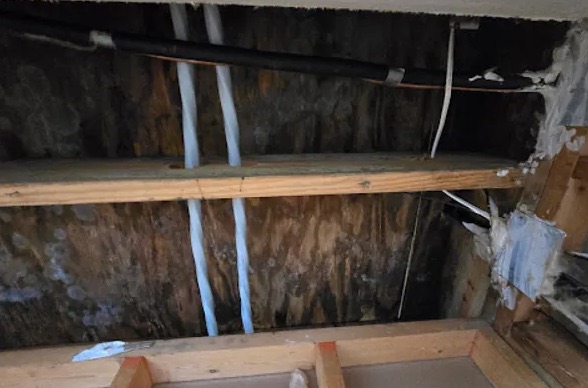
Roof Leak Cleanup and Drying in The Foothills
Wet ceilings, damp insulation and water running down an inside wall are all signs that a roof leak has gone past the attic floor.
Roof leak water removal is available in The Foothills and nearby Deer Valley, Moon Valley and Anthem. The pros tarp the opening if needed, extract the water and dry the attic framing and ceiling drywall.
Roof Leak Cleanup Services in The Foothills, AZ
Wet Contents Protection
Wet contents are sorted into items that can be dried and items that cannot. A photo list of each is kept for the insurance claim.
Wall Cavity Drying
Bubbling paint or a damp baseboard below a ceiling stain means water is in the wall. Drying the cavity keeps the framing and drywall from rotting.
Attic Water Extraction
The pros remove standing water from the attic first, because a ceiling holding water can sag and give way under the weight.
Wet Insulation Removal
Insulation that only got damp at the edges may dry in place. Material that is matted, stained or smells musty is taken out and replaced after drying.
Ceiling Water Damage Cleanup
Stained or sagging drywall is checked with a moisture meter. Sections that are soft or bowed are cut out so the cavity above can dry and the ceiling can be patched.
Signs You Need Roof Leak Water Removal
Sagging or Bulging Drywall
A ceiling that bulges or feels soft is holding water. It can give way, so keep people and pets out of the room.
Damp Baseboards on Exterior Walls
Wet or swelling baseboards under a ceiling stain mean water has traveled down the wall cavity from the attic.
Gutters Spilling Over the Roof Edge
Gutters that overflow toward the house during storms can push water under the shingles and into the wall top plates.
Water Stains on the Ceiling
Brown or yellow rings on the ceiling, often growing after each rain, mean water is reaching the drywall from above.
How Roof Leak Water Removal Works in The Foothills
Step 1: Stop the Water
The opening in the roof is tarped and drips inside are caught, so no more rain reaches the attic while the cleanup starts.
Step 2: Attic Water Extraction
Standing water is pulled from the attic floor and from on top of the ceiling with wet vacuums and portable extractors.
Step 3: Remove Wet Insulation
Soaked insulation is bagged and taken out so the drywall and joists underneath are open to air.
Step 4: Structural Drying
Air movers and dehumidifiers dry the rafters, decking and ceiling, with readings taken each day until the wood is dry.
Common Causes of Roof Leaks in The Foothills
Damaged or Missing Shingles
Wind, age and impact lift or tear shingles and leave the underlayment exposed, so rain soaks straight into the decking.
Worn Flashing
Flashing around chimneys, skylights and wall joints can crack, rust or pull loose, and water runs in along the gap.
Cracked Vent Boots
The rubber collars around plumbing vents dry out and split with age, letting rain drip down the pipe into the attic.
Nail Pops and Old Penetrations
Nails that back out and holes left from old dishes or antennas open small paths for water that grow with each storm.
Roof Leaks in The Foothills Homes and Commercial Buildings
Residential Roof Leak Water Removal
Attic work in a house is tight. Local restoration pros in The Foothills work from the joists, remove wet insulation and dry the ceiling drywall without stepping through it.
Commercial Roof Leak Water Removal
Leaks over stores and offices can wet stock, desks and electronics. The pros move contents out of the drip zone, extract the water and set up drying for the affected suites.
Roof Leak Water Removal vs. DIY: When to Call Restoration Pros
Fans and a household dehumidifier help a damp room, but they rarely dry an attic or a soaked ceiling. Wet insulation needs to come out first.
Factors in Roof Leak Water Removal Cost in The Foothills
Costs rise when water has reached walls and floors below the attic, because each level needs its own extraction and drying setup.
Ceiling Drywall
Ceilings that can be dried in place cost less than ones that sag or crumble and have to be cut out and replaced.
Insulation Removal
Bagging and hauling soaked insulation takes labor, and the attic needs new insulation once the framing is dry.
How Long It Leaked
A leak caught during the first storm usually means less wet material than one that has been dripping into the attic for weeks.
Does Insurance Cover Roof Leak Water Removal?
Coverage often depends on what caused the leak. Storm damage is more likely to be covered than a leak from shingles that wore out over years.
Reasons to Use Local Pros for Roof Leak Cleanup
24/7 Help During Storms
Roof leaks happen when it rains, often at night. Help is available around the clock, so tarping and extraction can start once it is safe.
Contents Moved Out of Harm
Belongings under the leak are moved, covered or dried so they do not keep soaking while the attic is worked on.
Notes for the Roofer
The entry point and the path the water took are documented so the roofer knows exactly where to look.
Emergency Attic Water Removal in The Foothills
Water coming through the ceiling during a storm in The Foothills? Call (623) 624-8391 24/7. The pros can tarp the roof and remove water from the attic before the ceiling gives way.
Call Now (623) 624-8391Local Roof Leak Water Removal Coverage for The Foothills
Other places served are listed below, each with its own page.
- Roof Leak Water Removal in Deer Valley
- Roof Leak Water Removal in Moon Valley
- Roof Leak Water Removal in Anthem
- Roof Leak Water Removal in Avondale
- Roof Leak Water Removal in El Mirage
- Roof Leak Water Removal in Estrella Village
- Roof Leak Water Removal in Ocotillo
- Roof Leak Water Removal in Goodyear
Roof Leak Water Removal FAQs
How soon should water removal start after a roof leak?
As soon as possible. Wet drywall and insulation can start to grow mold in 24 to 48 hours, and a ceiling holding water can sag and fall.
How do the pros find where a roof is leaking?
They trace the water from the stain up into the attic, follow it along the rafters and decking, and use moisture meters to find the entry point.
What happens after the water is removed?
Drying equipment runs and the pros take readings until the attic and ceiling are dry. Then the roofer and drywall repairs can go ahead.
What does emergency roof tarping involve?
A heavy tarp is laid over the damaged area and fastened down so rain stops coming in. It stays until a roofer makes the permanent repair.
Why does wet insulation have to come out?
Wet insulation stays damp for a long time, holds water against the ceiling and framing, and stops insulating. Removing it lets the attic dry.