Deer Valley, AZ · Maricopa County
Roof Leak Water Removal in Deer Valley, AZLeak Source Identification & Wall Cavity Drying
Roof Leak Water Removal in Deer Valley covers emergency roof tarping, attic water extraction, ceiling water damage cleanup and wet insulation removal.
Answered 24/7
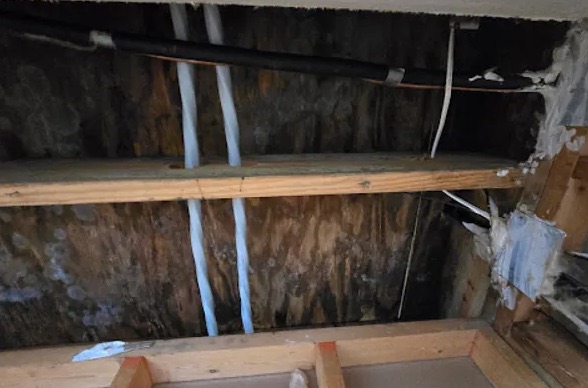
Water From a Roof Leak in Deer Valley, Arizona
Water from a roof leak lands on the ceiling first. Drywall can hold only so much before it sags, so getting water out of the attic quickly protects the room below.
Roof leak water removal is available in Deer Valley and nearby The Foothills, Moon Valley and North Mountain Village. The pros tarp the opening if needed, extract the water and dry the attic framing and ceiling drywall.
What Roof Leak Water Removal Covers in Deer Valley
Leak Source Identification
The pros follow the water trail from the stain up through the attic to the decking, flashing or vent where rain is getting in, and note it for the roofer.
Wall Cavity Drying
Water that follows a top plate or a pipe chase can soak insulation inside a wall. Moisture meters find it, and air is pushed into the cavity to dry it.
Wet Insulation Removal
Soaked batts and blown insulation hold water against the ceiling and framing for weeks. The pros bag and remove it so the attic can dry.
Structural Drying Services
Air movers and dehumidifiers are set up in the attic and the rooms below. Rafters, decking and joists are metered daily until they reach normal readings.
Emergency Roof Tarping
When shingles are torn or a branch has punched a hole, the pros cover the opening with a weighted or battened tarp before they start drying the attic.
Signs of a Roof Leak in Your Deer Valley Home
Rusty Nails in the Attic
Rust on roofing nails or metal straps in the attic means moisture has been collecting there over many rains.
Wet or Flattened Insulation
Insulation that is matted, stained or damp to the touch in the attic means rain is getting past the roof deck.
Damp Baseboards on Exterior Walls
Wet or swelling baseboards under a ceiling stain mean water has traveled down the wall cavity from the attic.
Dark Spots on Attic Wood
Dark streaks or spots on rafters and roof decking show where water has been running or sitting for a while.
How Roof Leak Water Removal Works in Deer Valley
Step 1: Assess the Leak
The pros look at the roof, attic and ceilings to see how long the leak has been running and what it has soaked.
Step 2: Remove Water and Debris
Water, wet insulation and fallen drywall are cleared out so the attic and room below can dry evenly.
Step 3: Clean Wet Surfaces
Wood and drywall that stayed wet for a day or more are cleaned and treated before drying to limit odor and mold.
Step 4: Monitor Until Dry
Readings are taken on each visit and the equipment is moved as areas dry, until every wet spot reaches its target.
Where Roof Leaks Start in Deer Valley
Cracked Vent Boots
The rubber collars around plumbing vents dry out and split with age, letting rain drip down the pipe into the attic.
Nail Pops and Old Penetrations
Nails that back out and holes left from old dishes or antennas open small paths for water that grow with each storm.
Open Roof Valleys
Valleys carry the most water on a roof. Worn or poorly sealed valleys let that concentrated flow into the decking.
Damaged or Missing Shingles
Wind, age and impact lift or tear shingles and leave the underlayment exposed, so rain soaks straight into the decking.
Roof Leak Water Removal for Homes and Businesses in Deer Valley
Residential Roof Leak Water Removal
For homeowners, drying the attic and ceiling before stains spread can save the drywall. Moisture readings show what can stay and what has to come out.
Commercial Roof Leak Water Removal
Property managers get moisture readings and photos for each affected unit or suite, which helps when several tenants and an owner's insurer are involved.
DIY Steps and Their Limits After a Roof Leak in Deer Valley
A wet-dry vacuum can pick up water from hard floors you can reach safely. Household vacuums are not made for water and can shock you.
Roof Leak Water Removal Cost in Deer Valley, AZ
A single stain over one room costs far less to dry than a leak that soaked the attic for weeks. Tarping, insulation removal and drywall cuts each add to the total.
Emergency Tarping
If the roof needs a tarp before drying can start, the materials and labor for that step add to the bill.
Drying Time
Each extra day of air movers, dehumidifiers and moisture checks adds to the cost, so wet wood that dries slowly costs more.
Size of the Wet Area
The square footage of wet attic, ceiling and wall sets how much equipment is needed and how long it runs.
Does Insurance Cover Roof Leak Water Removal?
Some policies limit payment if a leak was left unrepaired for a long time. Report it promptly and keep receipts for the tarp and any emergency work.
What Local Pros Bring to a Roof Leak in Deer Valley
Contents Moved Out of Harm
Belongings under the leak are moved, covered or dried so they do not keep soaking while the attic is worked on.
24/7 Help During Storms
Roof leaks happen when it rains, often at night. Help is available around the clock, so tarping and extraction can start once it is safe.
Notes for the Roofer
The entry point and the path the water took are documented so the roofer knows exactly where to look.
Emergency Roof Leak Help in Deer Valley, AZ
For an active roof leak in Deer Valley, call (623) 624-8391. Local water damage pros handle the tarp, the water in the attic and the drying of the rooms below.
Call Now (623) 624-8391Local Roof Leak Water Removal Coverage for Deer Valley
Each place listed below has its own page with local details.
- Roof Leak Water Removal in The Foothills
- Roof Leak Water Removal in Moon Valley
- Roof Leak Water Removal in North Mountain Village
- Roof Leak Water Removal in Estrella Village
- Roof Leak Water Removal in Laveen
- Roof Leak Water Removal in Ocotillo
- Roof Leak Water Removal in Maryvale
- Roof Leak Water Removal in Ahwatukee
Roof Leak Water Removal Questions Answered
Can a roof leak cause mold in the attic?
Yes, if the wood and insulation stay wet. Prompt extraction and drying, plus removing soaked insulation, keep the attic from staying damp long enough for mold.
What happens after the water is removed?
Drying equipment runs and the pros take readings until the attic and ceiling are dry. Then the roofer and drywall repairs can go ahead.
Does every roof leak lead to mold?
No. Mold needs materials to stay wet for a day or more. When water is removed and the attic is dried promptly, mold usually does not take hold.
How is water removed from an attic?
Standing water is pulled out with wet vacuums and extractors, then soaked insulation is removed so the ceiling and framing can be dried.
Does a stained ceiling always need to be replaced?
No. If moisture readings show the drywall is firm and dries out, it can often stay and be primed and painted. Soft or sagging sections are replaced.