Buckeye, AZ · Maricopa County
Roof Leak Water Removal in Buckeye, AZStructural Drying Services & Wet Insulation Removal
Roof Leak Water Removal in Buckeye covers emergency roof tarping, attic water extraction, ceiling water damage cleanup and wet insulation removal.
Answered 24/7
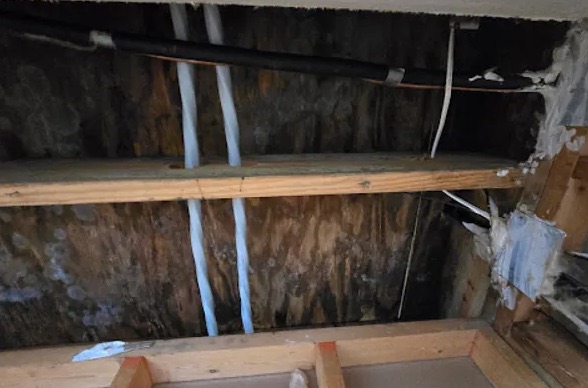
Roof Leak Water Removal for Buckeye Homes
A small roof leak can run for weeks inside an attic before anyone notices. When the stain finally shows, the decking, insulation and drywall may all be wet.
Roof leak water removal is available in Buckeye and nearby Goodyear, Avondale and Tolleson. The pros tarp the opening if needed, extract the water and dry the attic framing and ceiling drywall.
Attic and Ceiling Water Removal in Buckeye
Structural Drying Services
Drying a roof leak means drying wood, not just air. The pros track moisture in the sheathing and framing and adjust the setup until the numbers drop.
Wet Insulation Removal
Insulation that only got damp at the edges may dry in place. Material that is matted, stained or smells musty is taken out and replaced after drying.
Emergency Roof Tarping
Tarping is a stopgap. It keeps the next rain out of the attic and ceilings until a roofer can replace the decking, flashing or shingles.
Attic Water Extraction
Water that pools on attic floors, vapor barriers or ceiling drywall is pulled out with wet vacuums and portable extractors before it soaks through to the room below.
Wet Contents Protection
Furniture, rugs and boxes under the leak are moved, blocked up or covered. Wet items are listed and photographed before they are dried or set aside.
When a Roof Leak Needs Water Removal
Dripping From a Light Fixture
Water dripping from a light or ceiling fan means it has pooled above the ceiling. Turn off that circuit and keep people clear.
Gutters Spilling Over the Roof Edge
Gutters that overflow toward the house during storms can push water under the shingles and into the wall top plates.
Wet or Flattened Insulation
Insulation that is matted, stained or damp to the touch in the attic means rain is getting past the roof deck.
Water Stains on the Ceiling
Brown or yellow rings on the ceiling, often growing after each rain, mean water is reaching the drywall from above.
How Roof Leak Water Removal Works in Buckeye
Step 1: Safety Check
Power to wet ceiling fixtures is shut off and sagging areas are marked so no one walks under them during the work.
Step 2: Roof Tarp and Extraction
The roof is tarped if rain is still possible, then water is removed from the attic, ceiling cavities and floors.
Step 3: Drying Setup
Dehumidifiers and air movers are placed in the attic and the rooms below so both levels dry at the same time.
Step 4: Final Readings
When the wood and drywall read dry, equipment is removed and the roofer and drywall repairs can be scheduled.
What Causes Roof Leaks in Buckeye Homes
Damaged or Missing Shingles
Wind, age and impact lift or tear shingles and leave the underlayment exposed, so rain soaks straight into the decking.
Aging Roofing Materials
As shingles age they curl, lose granules and crack, and slow leaks start where the roof covering has worn thin.
Worn Flashing
Flashing around chimneys, skylights and wall joints can crack, rust or pull loose, and water runs in along the gap.
Skylight Seals
Skylight gaskets and curb flashing wear out, and water runs into the shaft and down the drywall around the opening.
Residential and Commercial Roof Leak Water Removal in Buckeye
Residential Roof Leak Water Removal
In older Buckeye homes, leaks often follow old chimney chases or plaster ceilings. The pros check these areas closely because plaster holds water longer than drywall.
Commercial Roof Leak Water Removal
Warehouses and shops with large roof areas can have several leaks at once. The pros map each wet area, extract water and dry the structure section by section.
Roof Leak Cleanup: DIY or Professional in Buckeye
A wet-dry vacuum can pick up water from hard floors you can reach safely. Household vacuums are not made for water and can shock you.
Pricing Roof Leak Water Removal in Buckeye
A single stain over one room costs far less to dry than a leak that soaked the attic for weeks. Tarping, insulation removal and drywall cuts each add to the total.
How Long It Leaked
A leak caught during the first storm usually means less wet material than one that has been dripping into the attic for weeks.
Size of the Wet Area
The square footage of wet attic, ceiling and wall sets how much equipment is needed and how long it runs.
Insulation Removal
Bagging and hauling soaked insulation takes labor, and the attic needs new insulation once the framing is dry.
Does Insurance Cover Roof Leak Water Removal?
Many homeowner policies cover sudden roof leaks caused by a storm or falling tree, but not leaks from wear and age. Your insurer decides what is covered.
Why Professional Roof Leak Water Removal Pays Off
24/7 Help During Storms
Roof leaks happen when it rains, often at night. Help is available around the clock, so tarping and extraction can start once it is safe.
Records for Your Claim
Photos, readings and a materials list give your adjuster a clear picture of what the roof leak damaged.
Contents Moved Out of Harm
Belongings under the leak are moved, covered or dried so they do not keep soaking while the attic is worked on.
Roof Leaking Right Now in Buckeye?
Roof leaks get worse with every hour of rain. Call (623) 624-8391 any time for tarping, attic extraction and drying in Buckeye.
Call Now (623) 624-8391Local Roof Leak Water Removal Coverage for Buckeye
The places below are also served, and each one has its own page.
Roof Leak Water Removal FAQs
Can a roof leak cause mold in the attic?
Yes, if the wood and insulation stay wet. Prompt extraction and drying, plus removing soaked insulation, keep the attic from staying damp long enough for mold.
Why does wet insulation have to come out?
Wet insulation stays damp for a long time, holds water against the ceiling and framing, and stops insulating. Removing it lets the attic dry.
How do the pros find where a roof is leaking?
They trace the water from the stain up into the attic, follow it along the rafters and decking, and use moisture meters to find the entry point.
Are old ceiling stains a sign of an active leak?
Not always. A dry stain may be from a past leak. A stain that is damp, growing or bulging means water is still getting in.
Can my belongings be saved after a roof leak?
Many can. Furniture and boxes are moved out of the drip zone and dried. Items that soaked for a long time or are badly stained may not be worth saving.