Ahwatukee, AZ · Maricopa County
Ceiling Mold Removal in Ahwatukee, AZCeiling Mold Inspection & Ceiling Mold Prevention
For Ceiling Mold Removal in Ahwatukee, ceiling mold experts conduct ceiling mold inspection, emergency ceiling mold removal, and ceiling mold cleanup.
Answered 24/7
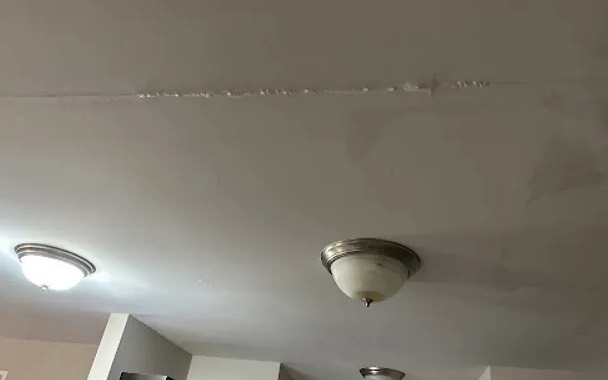
Local Ceiling Mold Removal Services in Ahwatukee, AZ
In Ahwatukee, ceiling mold can stem from roof leaks or condensation. Ceiling mold inspection reveals the moisture source and affected area. Mold on ceiling removal stops further degradation of building materials.
Water damage ceiling mold in Ahwatukee can escalate without prompt action. Local ceiling mold experts perform emergency removal and cleanup. They cover Maricopa County and locations like South Mountain, Guadalupe and Laveen. Their process involves moisture mapping.
Ceiling Mold Removal Service Options in Ahwatukee
Ceiling Mold Inspection
A ceiling mold inspection finds all affected areas in the Ahwatukee community in Phoenix, including hidden growth. The experts use moisture meters and thermal imaging to assess the scope. This step helps prevent incomplete removal.
Ceiling Mold Prevention
Preventing ceiling mold involves regular moisture inspections and spotting early water intrusion signs. The experts in Ahwatukee advise on attic ventilation and quick condensation response. Proactive steps may reduce future remediation needs.
Ceiling Mold Cleanup
Ceiling mold cleanup targets hidden contamination beyond surface wiping. In Ahwatukee, the experts clean nearby HVAC ducts and light fixtures. This helps prevent spore circulation for a cleaner home after ceiling mold removal.
Black Mold Ceiling Removal
Black mold ceiling removal addresses health risks from Stachybotrys exposure. The experts focus on complete removal of contaminated materials, aggressive cleaning and antimicrobial treatment. This helps restore a safe environment.
Ceiling Mold Testing
Mold testing for ceilings involves sampling and comparing to outdoor baseline levels. The experts use this data to gauge contamination severity. Accurate testing informs the needed scope for homes in Ahwatukee.
When to Consider Ceiling Mold Removal in Ahwatukee
History of Roof or Plumbing Leaks
Past leaks from roofs or upstairs plumbing are a major cause of recurring ceiling mold problems needing expert removal.
Increased Allergy or Asthma Symptoms
Unexplained allergy flare-ups like sneezing or itchy eyes at home can be a reaction to mold spores from a ceiling.
Recent Water Damage on the Ceiling
Any past or recent leak that left a water stain is a prime location for ceiling mold to begin growing.
Warped or Sagging Ceiling Drywall
A ceiling panel that sags or feels soft indicates prolonged water damage and probable hidden toxic mold removal needs.
How Ceiling Mold Removal Works in Ahwatukee
Step 1: Emergency Ceiling Mold Removal Response
For urgent cases, the experts in Ahwatukee provide a professional service to contain the hazard. They secure the area to prevent further exposure or damage.
Step 2: Source Identification and Moisture Control
The core moisture problem, like a leak, is located and stopped. Controlling the water source is essential before any ceiling mold cleanup can succeed.
Step 3: Affected Material Removal and Disposal
Porous materials heavily contaminated with mold, such as ceiling tiles or drywall, are removed and bagged for proper disposal following local regulations.
Step 4: HEPA Vacuuming and Antimicrobial Treatment
Remaining surfaces are HEPA vacuumed and treated with EPA-registered antimicrobial agents to eliminate residual mold spores and inhibit future growth.
Frequent Causes of Mold on Ceilings in Ahwatukee
Condensation From High Indoor Humidity
High humidity levels cause condensation to form on cooler ceiling surfaces, providing the dampness mold spores need.
Plumbing Leaks in Upper Floor Walls
Leaking pipes inside walls or above ceilings release water slowly, often causing hidden black mold on ceiling growth.
Slow Leaks From Appliance Supply Lines
Dripping supply lines for washing machines or refrigerators on upper floors can saturate ceilings over a long period.
Past Flooding or Water Intrusion
Previous flooding events can leave residual moisture in ceiling cavities, leading to delayed ceiling mold remediation needs.
Domestic and Commercial Ceiling Mold Removal in Ahwatukee
Residential Ceiling Mold Removal
Residential ceiling mold often appears in bathrooms and under attic spaces. The process involves careful ceiling mold inspection, removal of affected materials, and drying to restore a healthy living space.
Commercial Ceiling Mold Removal
In commercial settings, mold on ceiling tiles or in drop ceilings requires specialized removal. Professionals ensure remediation meets health standards for workplaces, schools, or medical facilities, focusing on air quality control.
DIY vs. Professional Ceiling Mold Removal in Ahwatukee
Document visible mold with photos for an insurance claim before touching it. Move belongings out of the room to protect them. The actual removal needs professional mold removal services.
What Influences Ceiling Mold Removal Expense in Ahwatukee
The price for ceiling mold remediation reflects the inspection results, such as spore counts from testing. Required methods, ranging from surface cleaning to complete ceiling replacement, are major factors determining cost.
Post-Removal Testing and Verification
A clearance test after remediation to confirm mold levels are safe adds a layer of assurance and is a separate line item.
Emergency Service Timing
Responding to urgent ceiling mold situations outside of standard business hours may involve different rate structures for the professional service and work.
Type of Mold Present
Identifying black mold or other toxic varieties necessitates stricter safety protocols and specialized disposal methods, which can increase the overall project cost.
Does Insurance Cover Ceiling Mold Removal?
Homeowners insurance may contribute to ceiling mold remediation costs if linked to a covered peril. Insurers investigate the moisture origin. The homeowner files the claim and discusses covered services with their provider.
Why Choose Local Experts for Ceiling Mold Removal in Ahwatukee
Post-Remediation Verification Options
Ceiling mold testing after the work provides a clearance check to confirm that mold levels have returned to a normal, safe range.
Detailed Documentation for Claims
Photos, moisture maps, and notes are compiled to document the damage for your review and potential submission to your insurance company.
Ceiling Mold Prevention Guidance
After removal, insights on controlling indoor humidity and ventilation can be offered to help discourage future mold growth on ceilings.
Immediate Emergency Ceiling Mold Removal Response in Ahwatukee
Suspected toxic mold in your ceiling requires an urgent professional assessment. Do not disturb the area. For emergency ceiling mold removal services, you can initiate contact by dialing (623) 624-8391.
Call Now (623) 624-8391Ceiling Mold Removal Service Area Including Ahwatukee, AZ
Each place listed below has its own page with local details.
Ceiling Mold Removal Common Questions Answered
When is ceiling mold testing recommended?
Testing is advised if you suspect hidden mold, to identify the mold type after visible discovery, or as a post-remediation clearance check to confirm the area is safe.
How long does typical ceiling mold cleanup take?
The timeline varies from a day for a small, contained area to several days for extensive contamination, depending on drying time needed for underlying moisture and any repairs.
What is involved in professional ceiling mold removal?
The process includes inspection, containment of the area, safe removal of contaminated materials, HEPA vacuuming and cleaning, air scrubbing, and addressing the moisture source to prevent recurrence.
What defines an emergency ceiling mold removal situation?
Situations involving extensive growth, toxic black mold, mold in HVAC systems, or rapid growth after major water damage warrant an urgent, 24/7 professional response.
What factors influence mold in ceiling removal cost the most?
The primary cost drivers are the square footage affected, the type of mold, the accessibility of the ceiling, and whether the underlying structure needs repair or replacement.